A Place That Asks
To Be Listened To
Land carries a story older than any structure built upon it.
This land is no exception.
What This Place Is
Already Saying
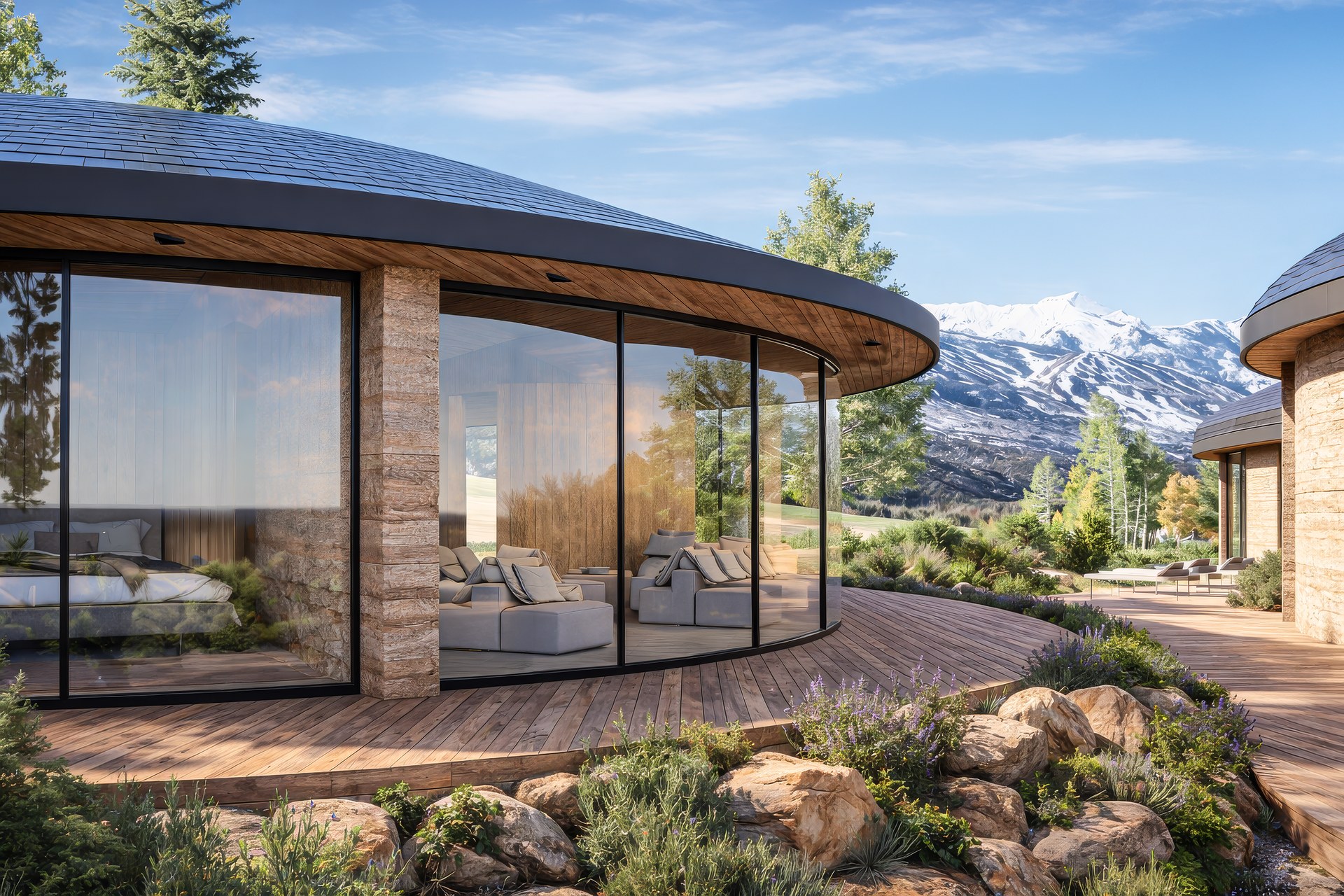
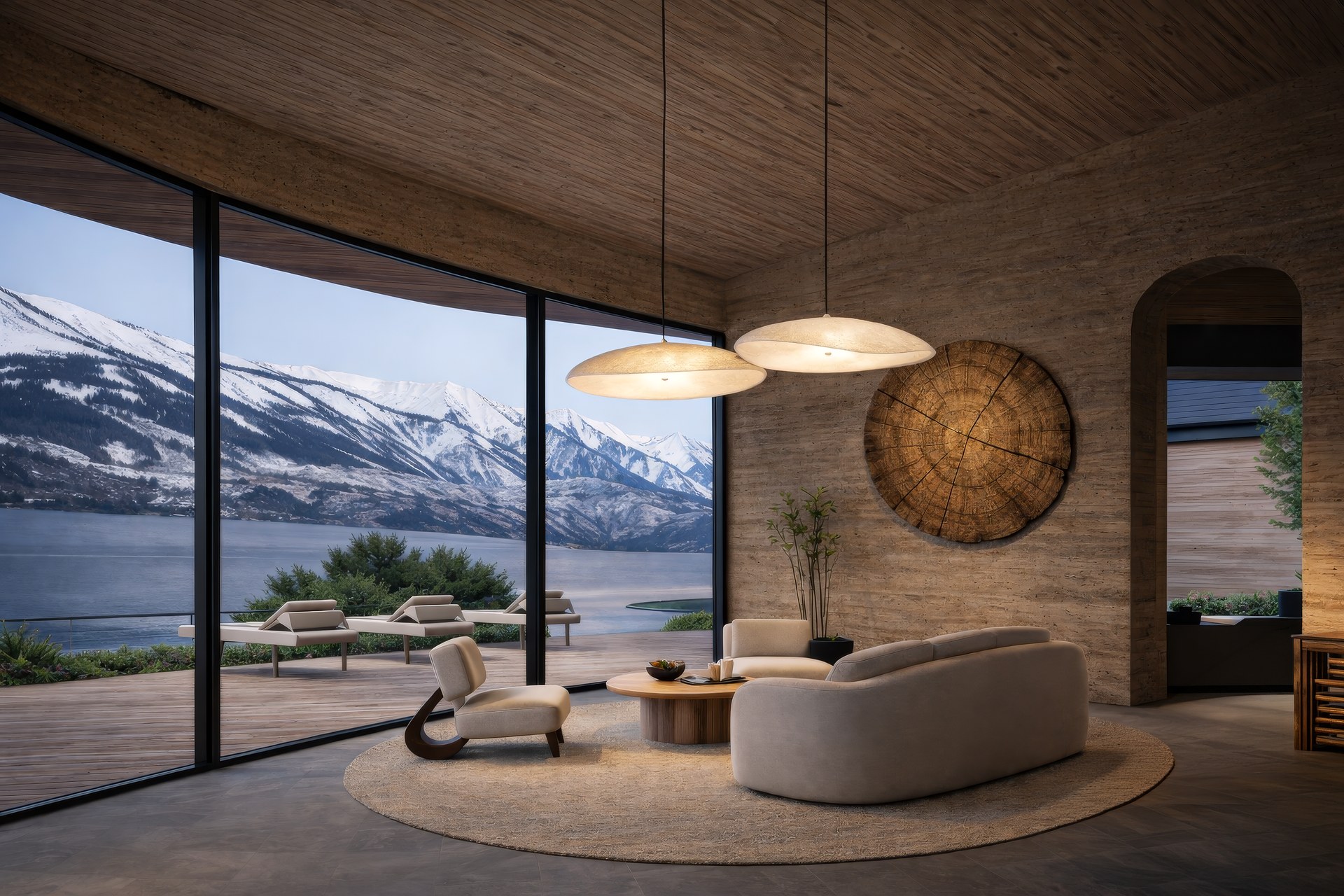
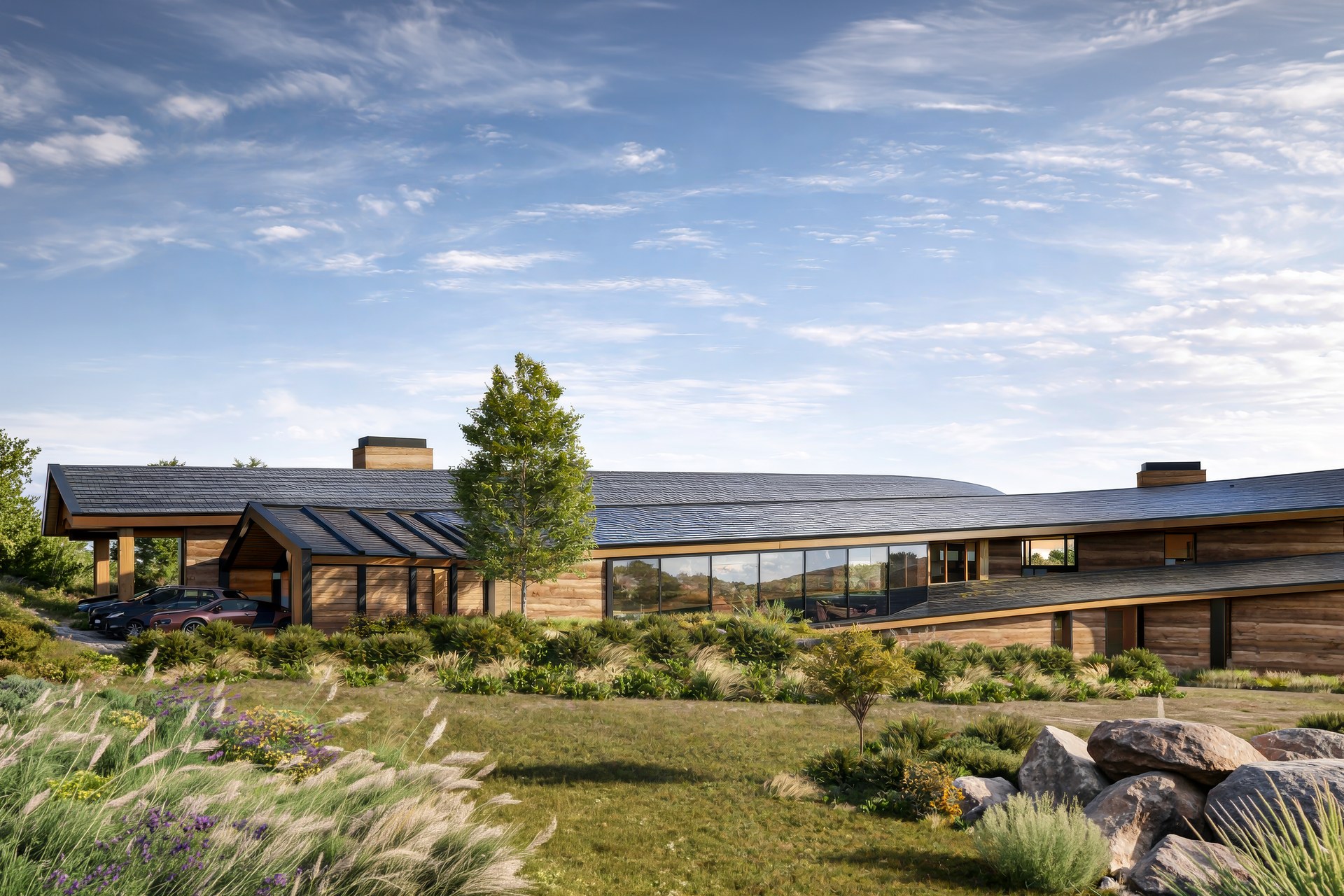
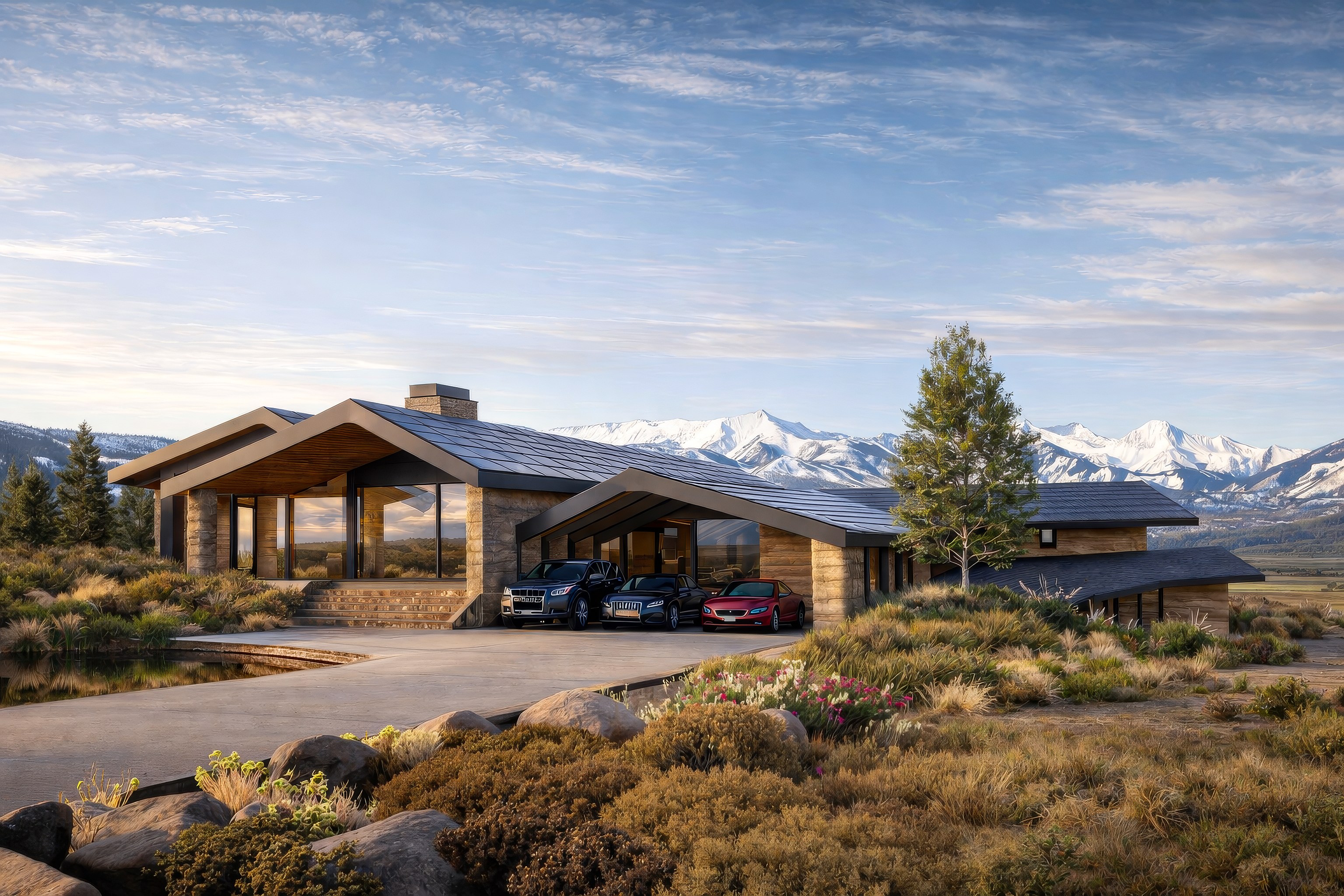
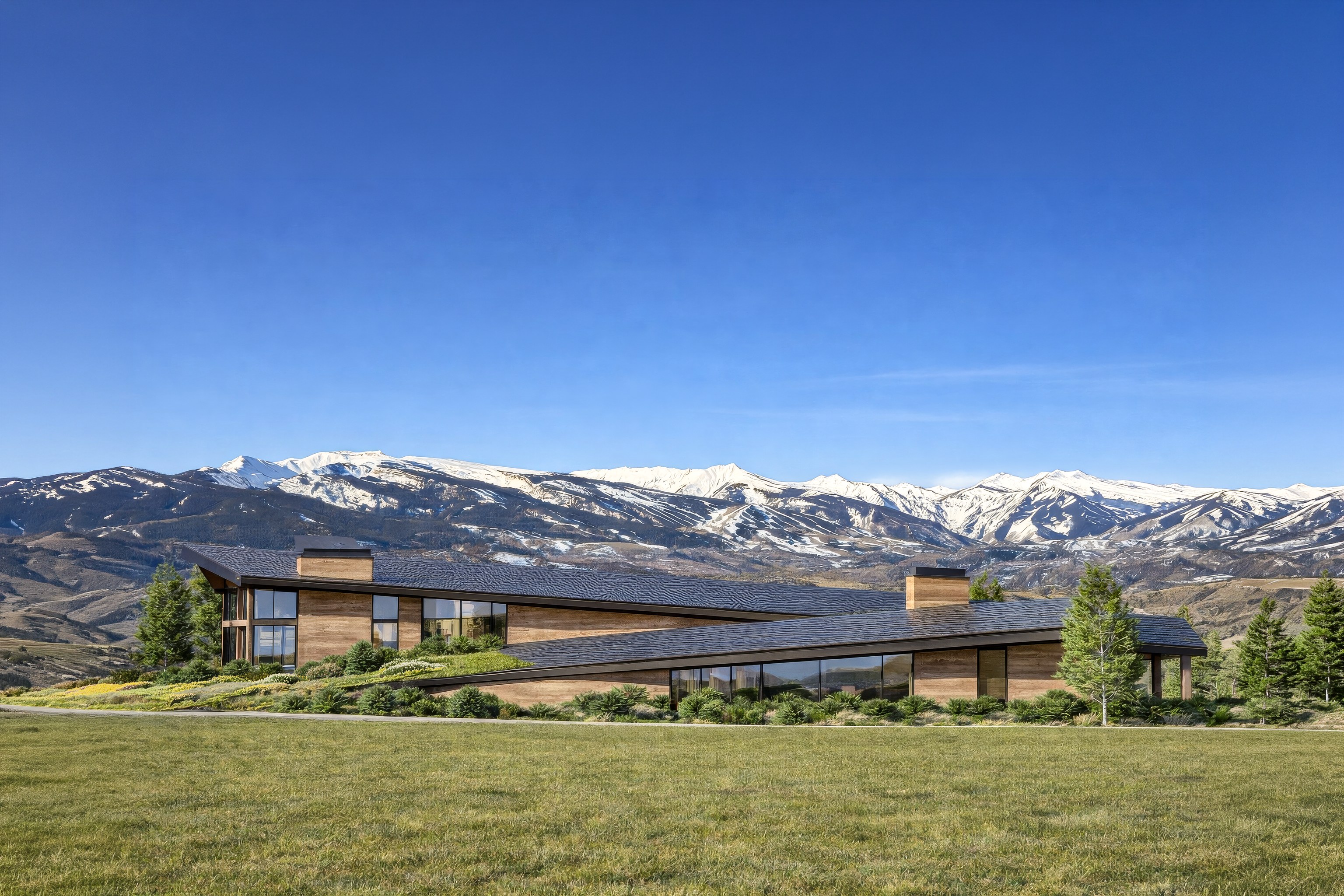
At 8,200 feet, Sky Mesa South commands an uninterrupted sweep of the Elk Mountain Range: Highland's Bowl, Buttermilk, Snowmass, Capitol Peak, Mount Daly, Mount Sopris. These peaks are not backdrop. They are teachers.
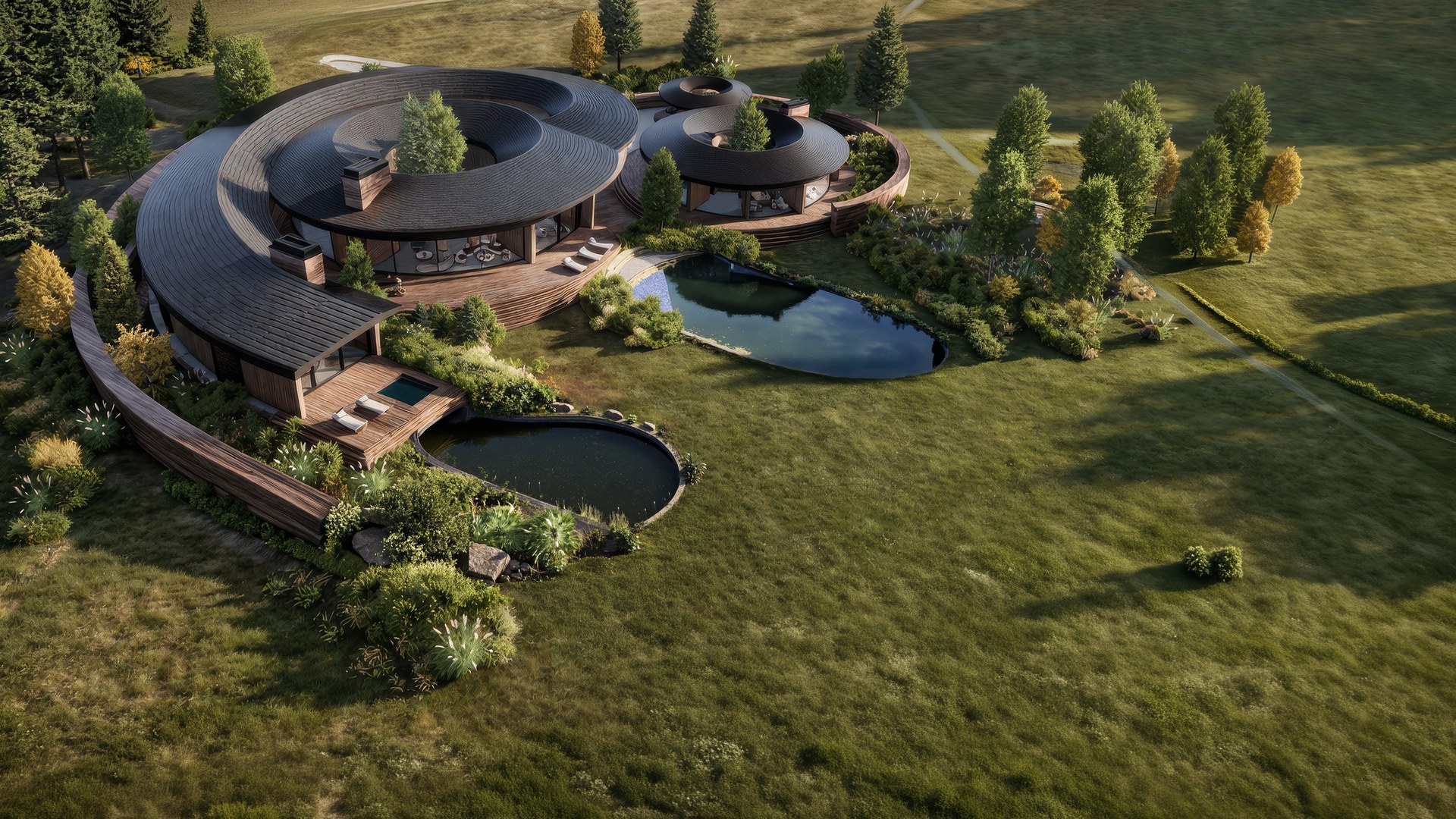
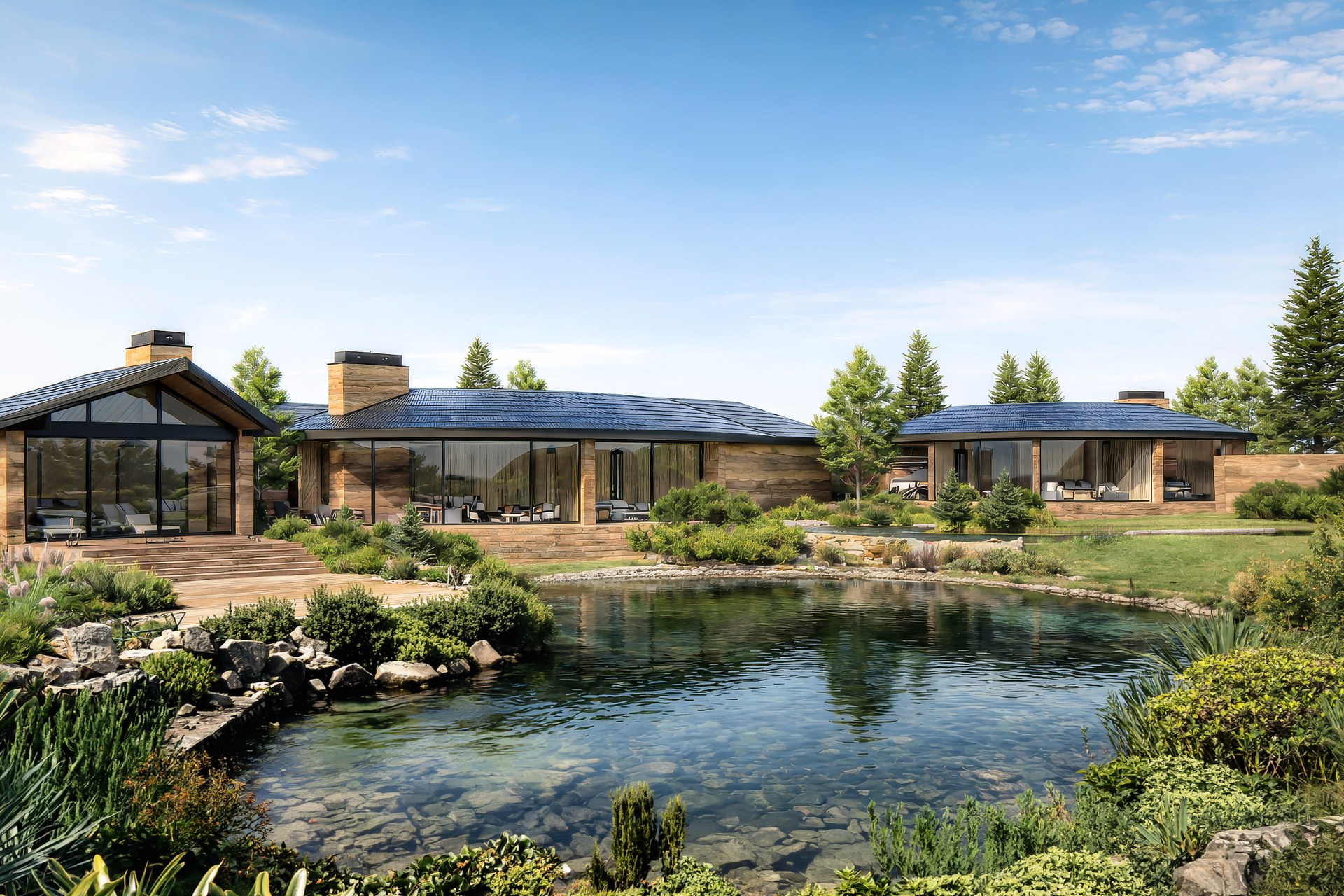
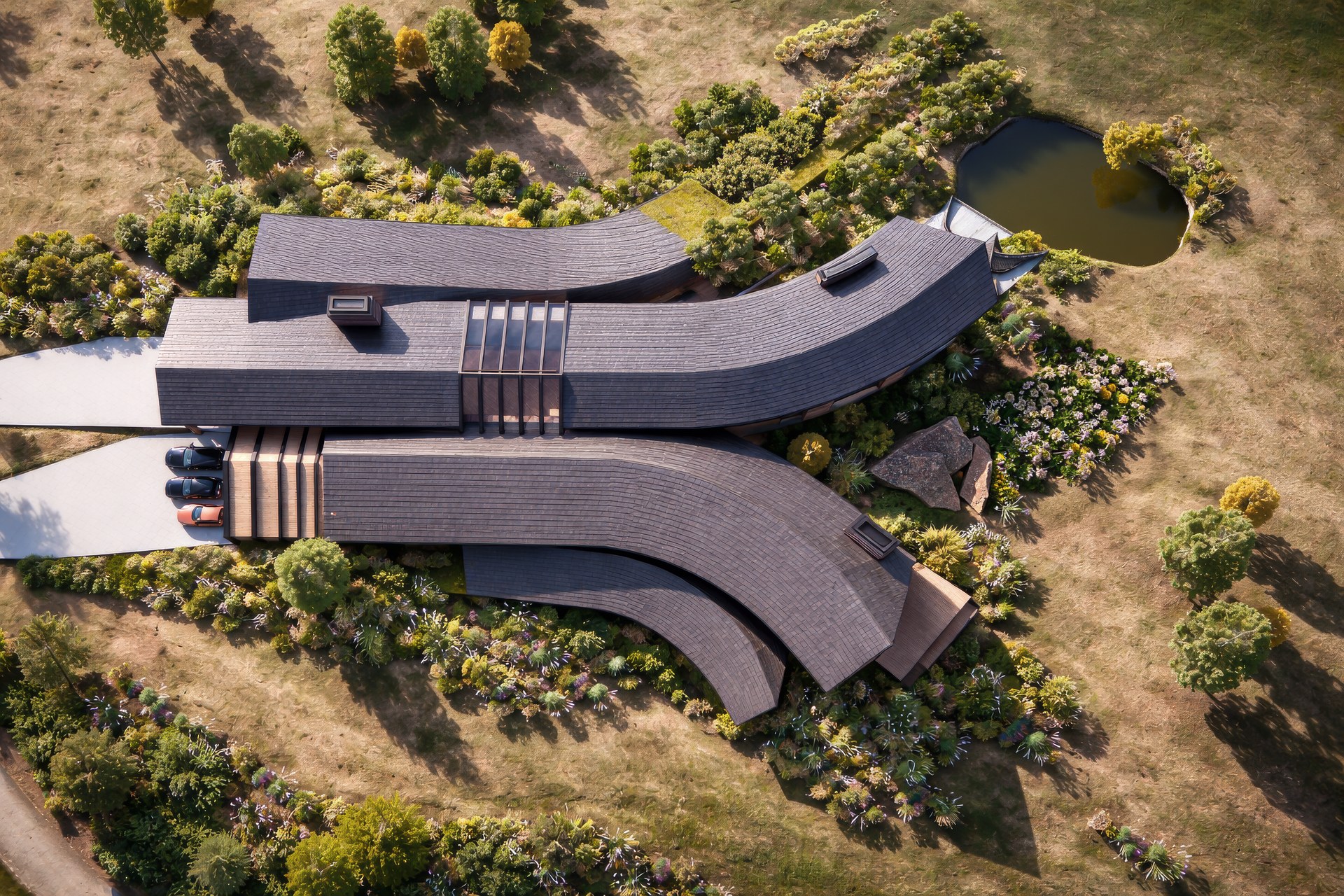
The meadow at the heart of this property is visited by elk in autumn, carpeted by wildflower in summer, and crossed by wildlife on paths older than any road in Pitkin County. It is not empty land. It is a living system with its own agenda.
Our process begins not with a design but with a question: what is this place already trying to become?
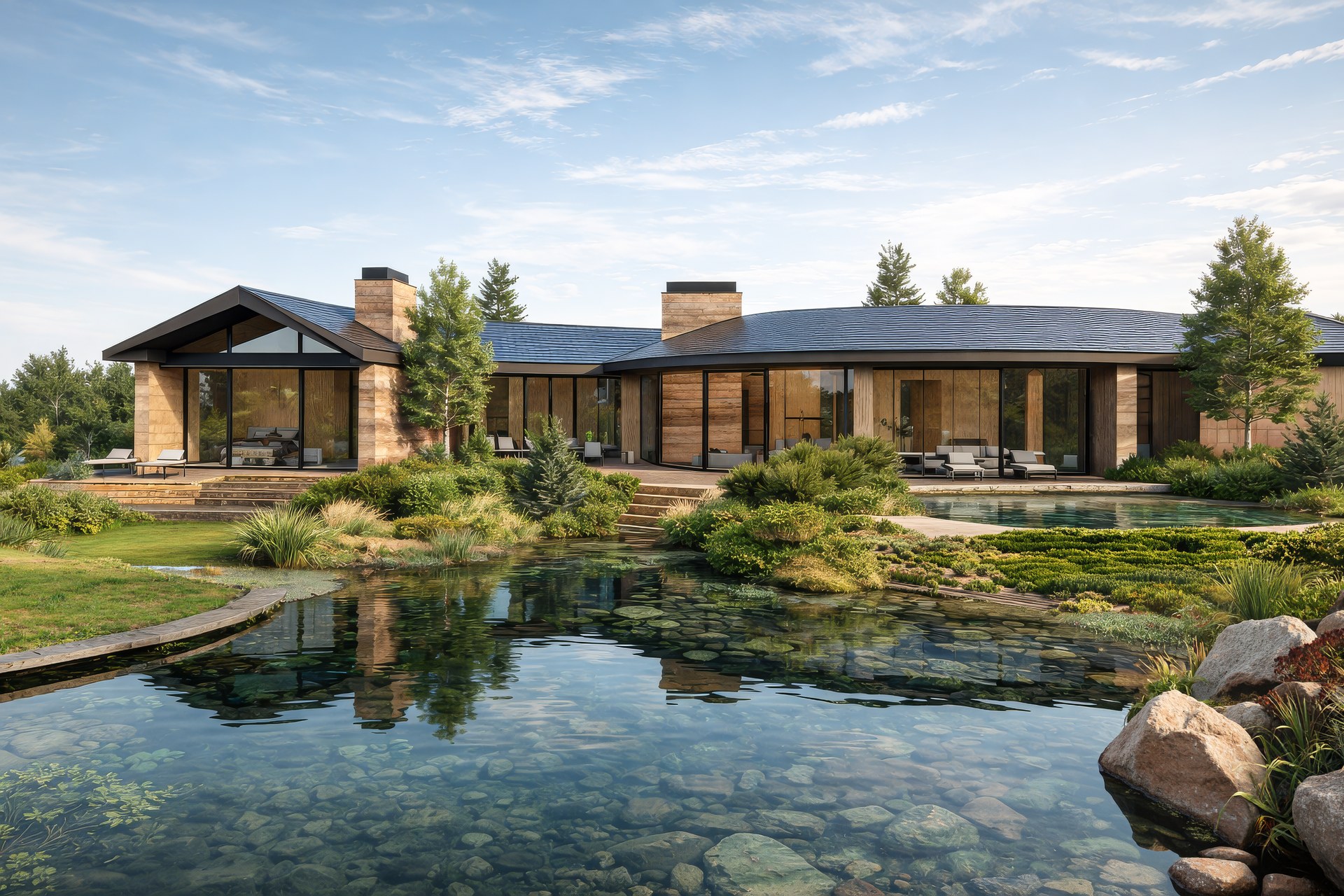
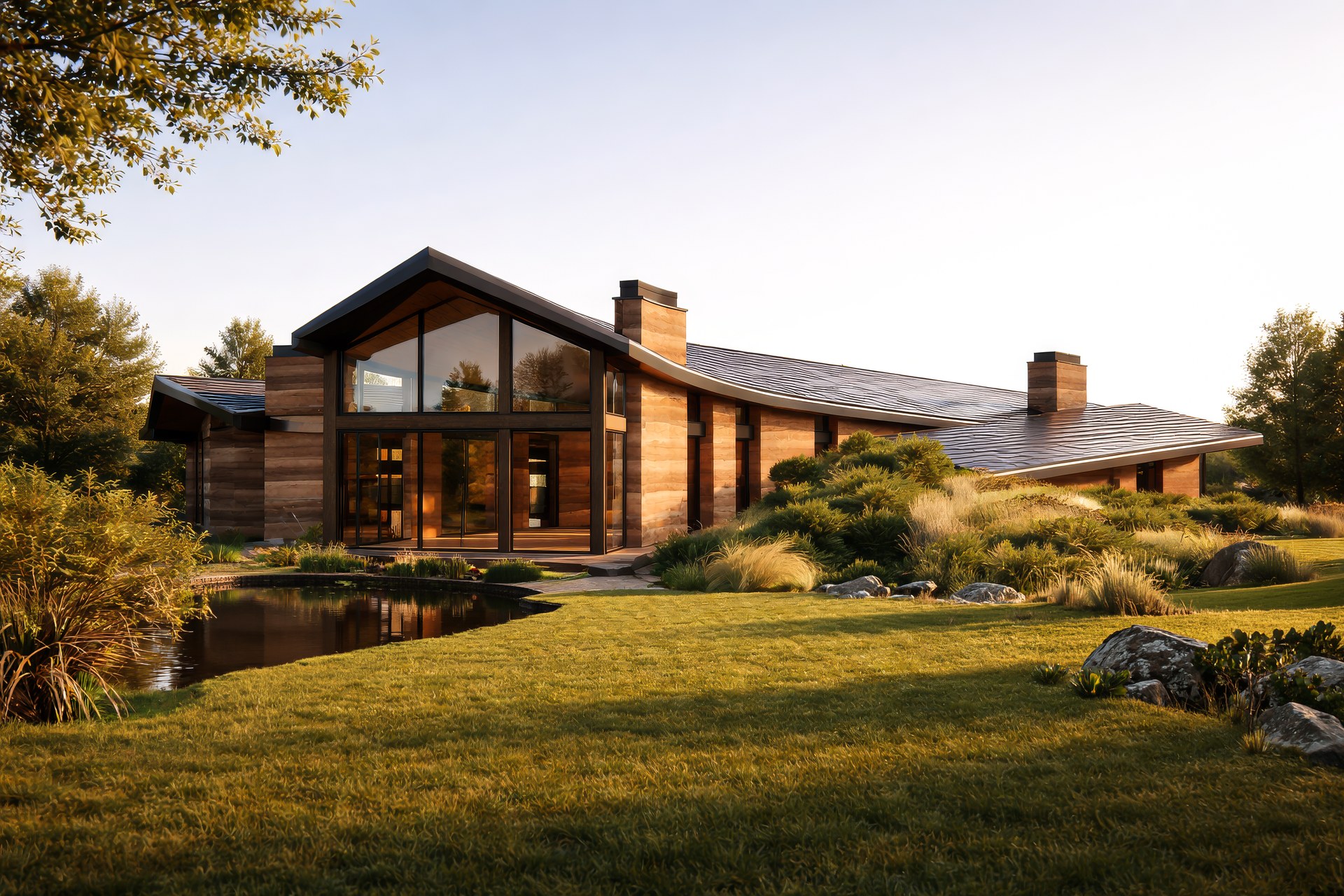
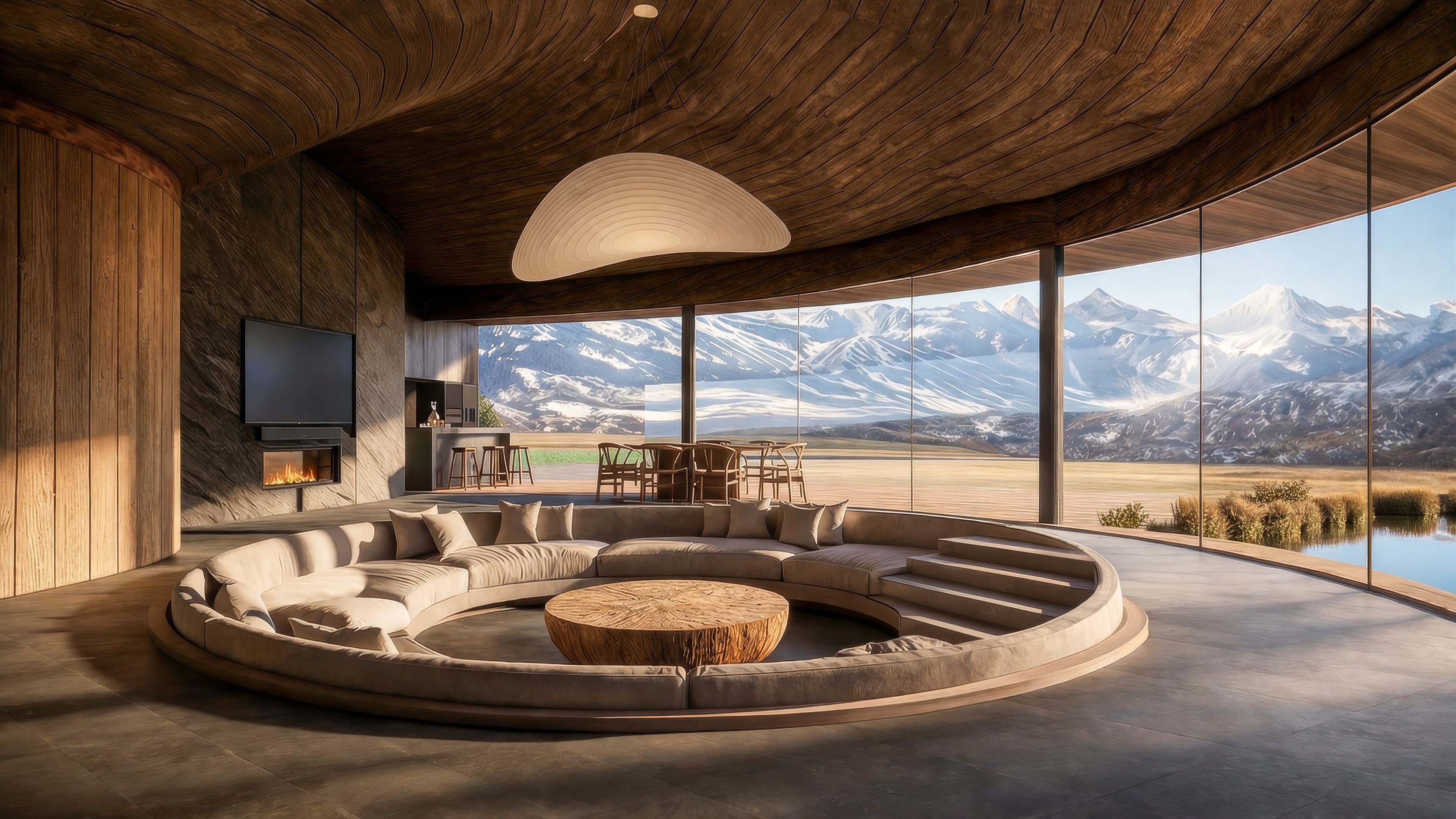 Architecture that holds the mountains in every room
It is a first-generation story,
intended to inspire many re-generations of stories we tell to learn about ourselves.
Like any story, it is not the whole picture.
It is not the truth.
It is a handful of water, not the river.
It is an image built by arranging facts that helps us see a particular perspective.
Its purpose is to grow curiosity.
To make us want to know this place—and ourselves—better and better,
always aware of the tantalizing mysteries we have yet to uncover.
It is not meant to be the last word, but the first.
How We Discover Together
This is not a design-build sequence. It is a discovery process — one that begins by listening to this specific land, this specific watershed, and the vision of the person who will steward it.
Story of Place
A deep, place-based inquiry into the land's own potential. We study hydrology, soils, wildlife corridors, cultural history, and seasonal rhythms. We listen before we design.
Co-Discovery
A collaborative dialogue to articulate the vision that only this steward, in conversation with this land, can produce. What does legacy mean here? What should remain in a hundred years?
Integrated Design
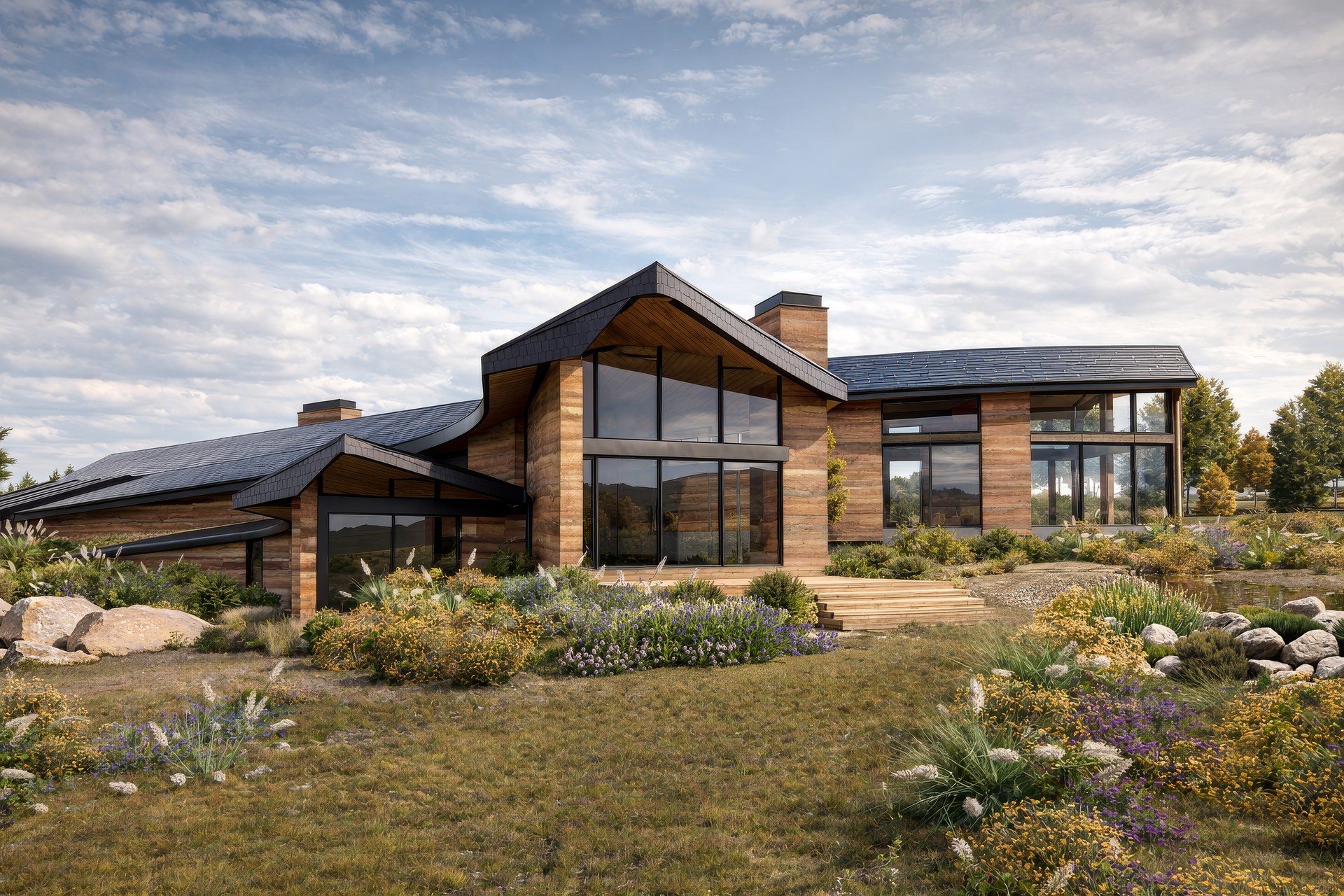
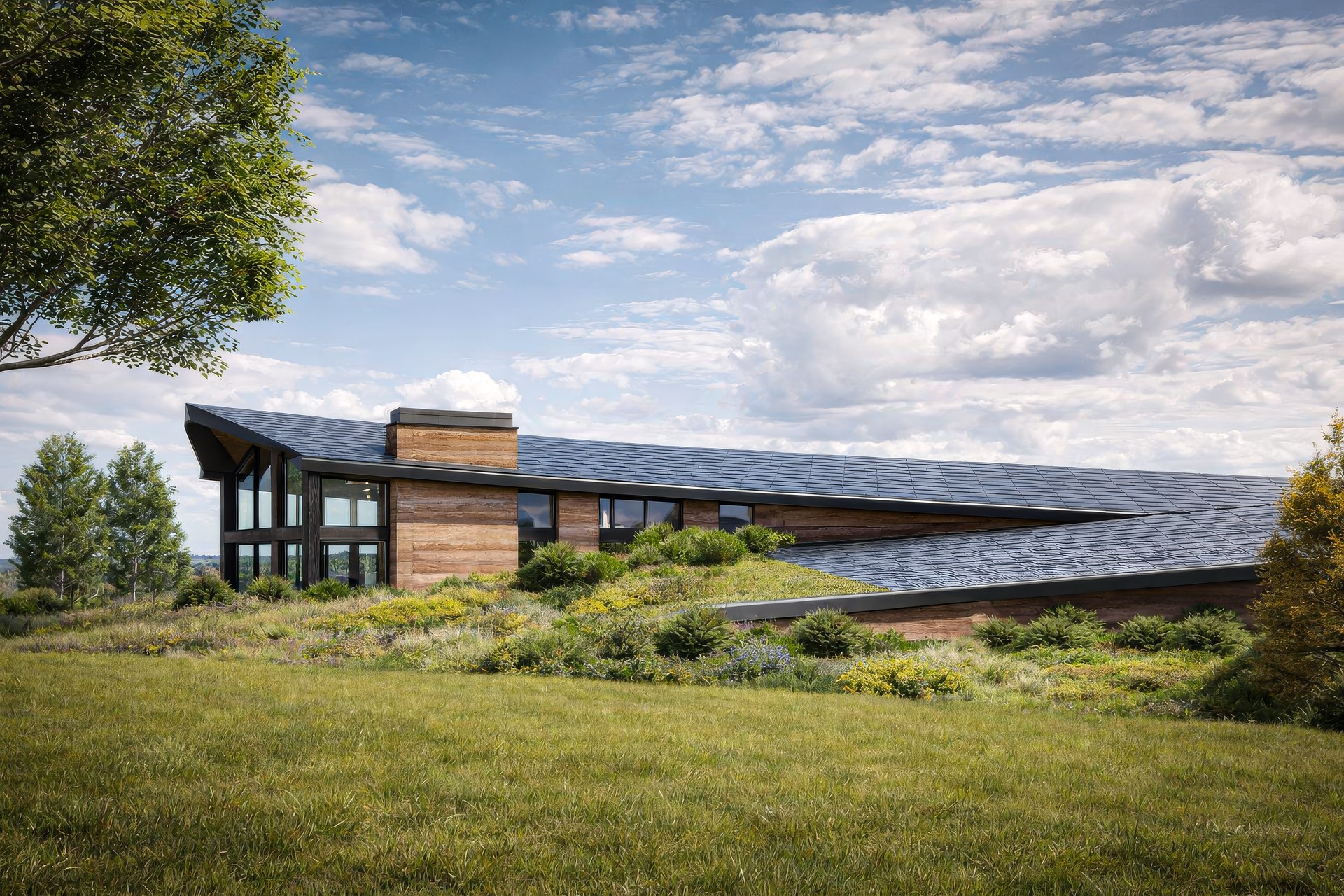
Materials, orientation, form, systems — all guided by the Story of Place. Architecture that could only exist in this meadow, at this elevation, for this family.
Realisation & Legacy
The estate is realised and its living systems established. The full journey — from the first listening to the finished structure — is documented as a living record of the relationship between people and place.
For our future generations we need to steward and encourage their relationship with all living systems. For this we would invite documenting the journey of the relationship — and how it evolved with the land — so that those who come after us know not only what was built here, but how and why it was built, and what the land itself asked of us.
We Would Be Honoured
to Begin This Conversation
The land has been patient. The meadow still opens toward the mountains. The elk still cross at dusk. The water still finds its ancient paths.
What comes next begins with a single question:
what do you want this place to become?